Sequence of returns risk is the possibility that a market decline arrives early in retirement, at the same time a household needs to draw money from investments. The average return over many years may look acceptable, yet the order in which gains and losses arrive can still change how much remains available for later spending.
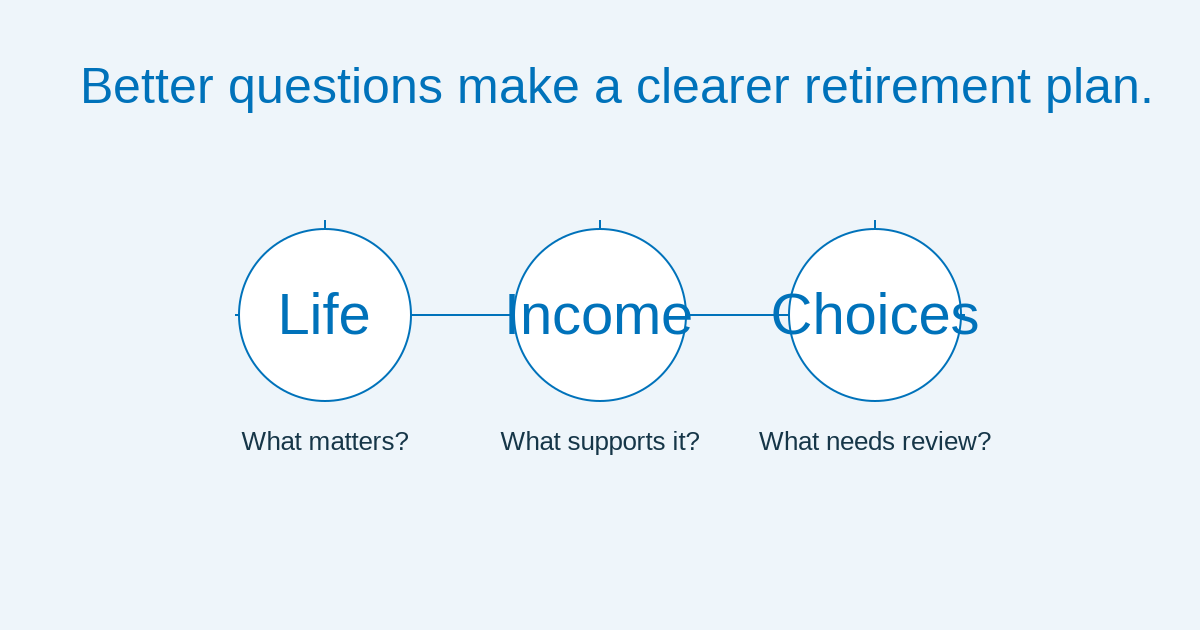
This is not a prediction that markets will fall when you retire, and it is not a reason to make a sudden portfolio change. It is a planning question: if income from work ends, what resources would cover spending during a difficult market period? Understanding that question can make a retirement-income conversation more useful than relying on an average-return assumption alone.
Why timing matters once withdrawals begin
While you are saving, a market decline may mean new contributions buy at lower prices. Retirement changes the equation because withdrawals can move in the opposite direction. If the same monthly spending need must be met after a portfolio has declined, more shares or fund units may need to be sold to raise the cash. Those assets are then no longer present if markets later recover.
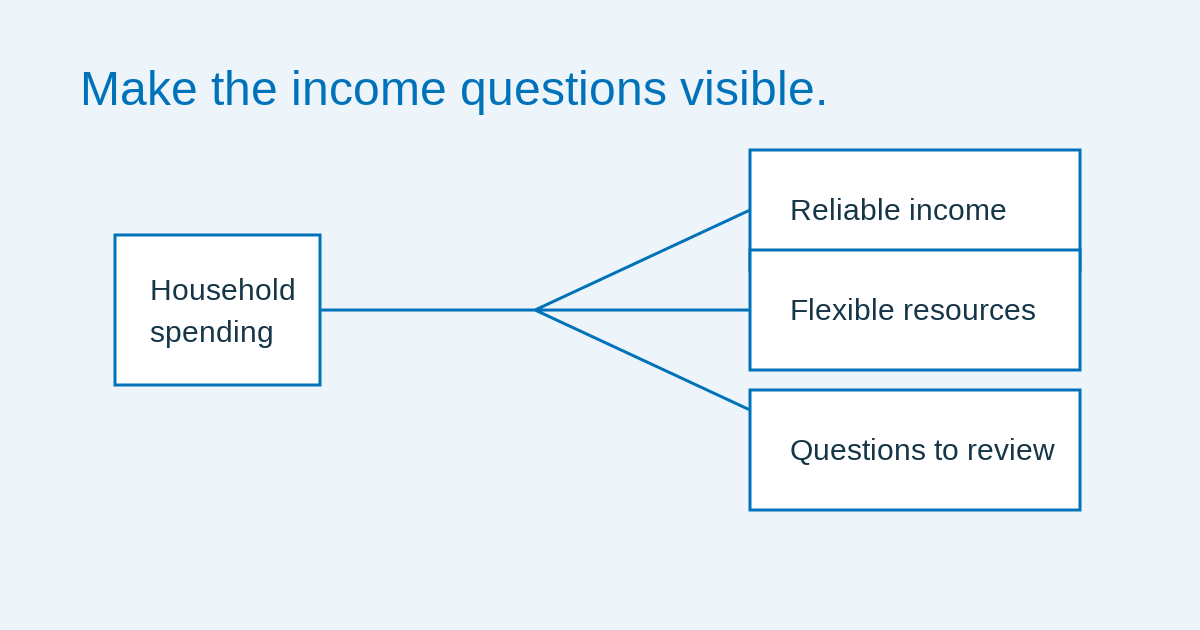
The issue is not that one bad year automatically ends a retirement plan. A household may have Social Security, a pension, cash reserves, part-time income, flexible expenses, or other resources. The question is how much of the spending plan depends on selling market-based investments in the years when their value is down. That is why the connection between investments and income deserves attention before, not only after, a transition out of work.
Charles Schwab’s illustrative explanation of sequence-of-returns risk shows this mechanism clearly: withdrawals after early losses can leave fewer assets available for later growth. The illustration is not a forecast, but the planning principle is useful. A retirement plan needs to account for both market uncertainty and the timing of real spending needs.
- Income need
- Which expenses must be covered when work income changes?
- Resources
- Which sources can cover those expenses without an immediate sale?
- Flexibility
- What could change if markets are weak for a period of time?
The same returns can lead to different retirement outcomes
Imagine two households that begin retirement with similar investments and take similar withdrawals. Each experiences a mixture of positive and negative market years. If the first household encounters weak returns early, it may be drawing from a smaller balance for much of retirement. If the second encounters those same weak years later, more of its earlier balance may have had time to remain invested and grow. The average return alone does not describe that difference.
This is a hypothetical explanation, not a formula for deciding how much anyone can withdraw. Taxes, fees, inflation, benefit income, account types, and personal spending all affect a real outcome. A household that has a pension covering core expenses faces a different question from one that relies heavily on a taxable investment account. The useful takeaway is to test a plan against more than one market path rather than assuming returns arrive in a smooth order.
Vanguard’s research on retiring during bear markets likewise found that withdrawals can make similar long-term return histories produce materially different retirement balances. Historical studies can inform questions, but they cannot determine one household’s future. Use them to identify assumptions worth reviewing with the professionals involved in your plan.

Start with spending, not a market forecast
A retirement plan is easier to stress-test when spending is clear. Separate core expenses, such as housing, food, insurance, and healthcare, from costs that may have more flexibility. Then identify irregular needs such as a vehicle replacement, home repairs, family support, or travel. The purpose is not to create a perfect prediction. It is to understand which expenses would still need attention in a weaker market and which decisions could wait.
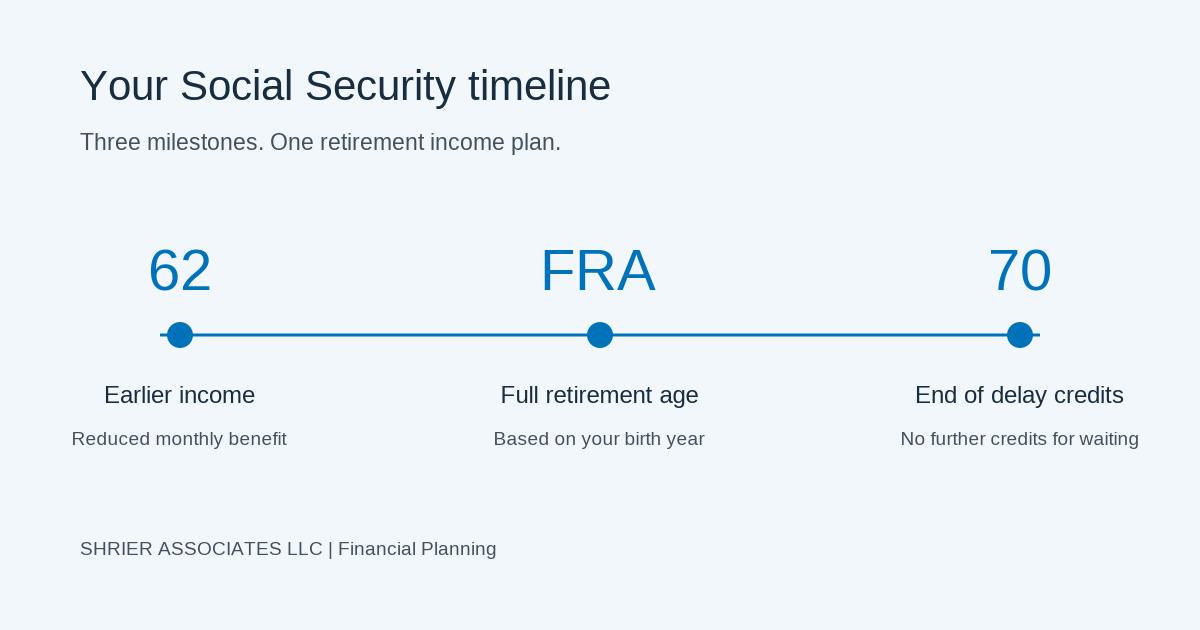
Next, map when other income may begin. Social Security, pensions, work income, rental income, or other resources may reduce the amount a portfolio needs to provide. The dates matter. A benefit that starts two years after retirement can create a different bridge-period question than a benefit that begins immediately. Our retirement planning checklist can help organize those timelines, records, and unanswered questions before a detailed income discussion.
Avoid treating a broad percentage rule as a substitute for this work. A percentage does not show whether a household has a large planned expense, a benefit election deadline, a concentrated holding, or an income gap. A spending plan that is understandable on paper gives you a better way to discuss what the portfolio may need to do and where there may be room to adapt.
- Core spending
- List recurring needs that are difficult to postpone.
- Flexible spending
- Identify choices that may be adjusted if circumstances change.
- Income timing
- Record when benefits, work, and portfolio withdrawals may begin.
Review the first years as a distinct planning period
The years just before and after retirement often include more than an employment change. Health coverage may change. A pension election or Social Security claim may have a deadline. A home project may be planned. A spouse may continue working, or the household may be deciding how much income to take from different account types. These decisions can determine how much flexibility is available if the market is unsettled.
Rather than assuming every dollar has the same job, list the needs that may arise in the next several years and the resources that may be used for each. Cash, cash equivalents, short-term investments, pension payments, Social Security, wages, and longer-term investments do not have identical features or risks. The goal is not to assign a universal number of years to any one type of asset. It is to clarify what is intended for near-term use and what is intended to stay invested longer.
For a closer look at investment roles, see our article on fixed income and common stock in retirement planning. Both types of investments involve tradeoffs. Fixed-income investments can be affected by credit conditions, interest rates, and liquidity. Stocks can fluctuate sharply. A planning discussion should consider how those risks fit the purpose and timing of each part of the household’s resources.
Flexibility can be as important as an allocation
Sequence risk becomes harder to manage when spending must remain exactly the same regardless of what happens. Some costs cannot simply be paused. Others may be reviewed, delayed, or funded from a different source. Identifying that distinction in advance can make a difficult period less likely to force a rushed investment decision.
Flexibility does not mean living without a plan or automatically cutting spending whenever markets move. It means deciding, before pressure arrives, what information would prompt a review. A household might revisit discretionary travel, a planned purchase, a withdrawal amount, or a part-time work plan. The right response depends on the individual situation, not on a market headline or a single calendar date.
The SEC’s investor preparedness checklist emphasizes goals, risk tolerance, diversification, fees, and research. Those topics remain useful in retirement, but they become more practical when tied to specific spending needs and decision dates. A plan should distinguish a temporary market change from a lasting change in the household’s goals, resources, or ability to absorb a loss.
- Market change
- Would a decline affect spending or only the account statement?
- Life change
- Has work, health, family, or housing changed the plan?
- Income change
- Has a benefit, pension, or expected withdrawal changed?
Diversification helps, but it does not remove the question
A diversified portfolio may help reduce the impact of a single company, sector, or region, but diversification does not guarantee a profit or protect against loss in declining markets. It also does not by itself answer how withdrawals will be funded during a decline. A portfolio can be diversified and still require a thoughtful discussion about liquidity, account rules, tax consequences, and the timing of spending.
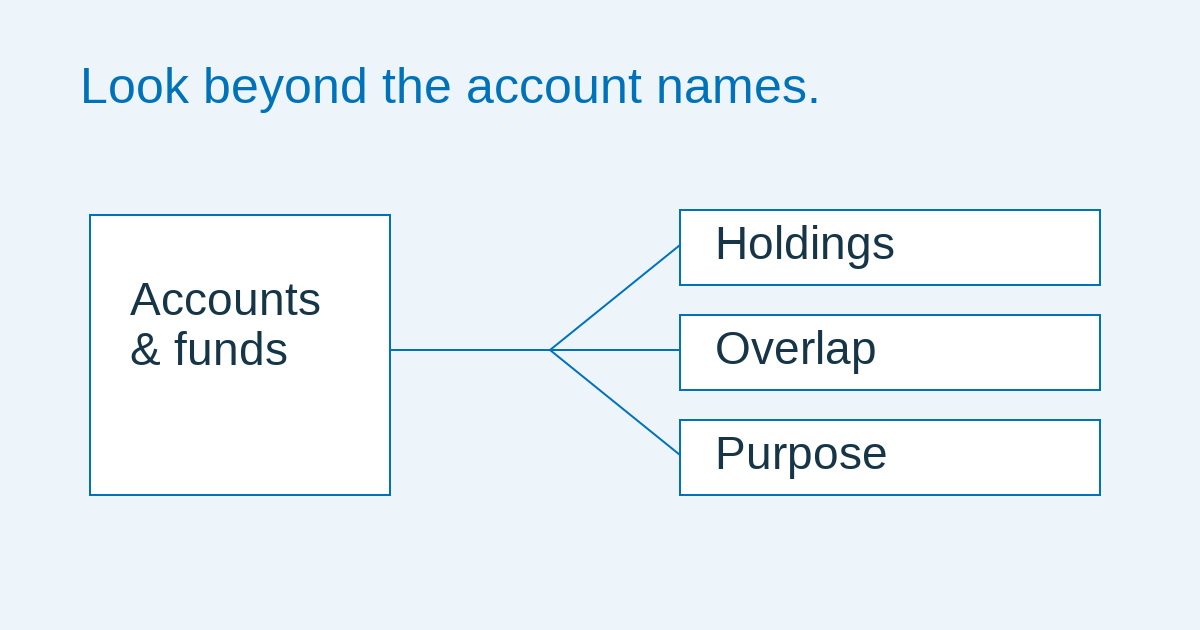
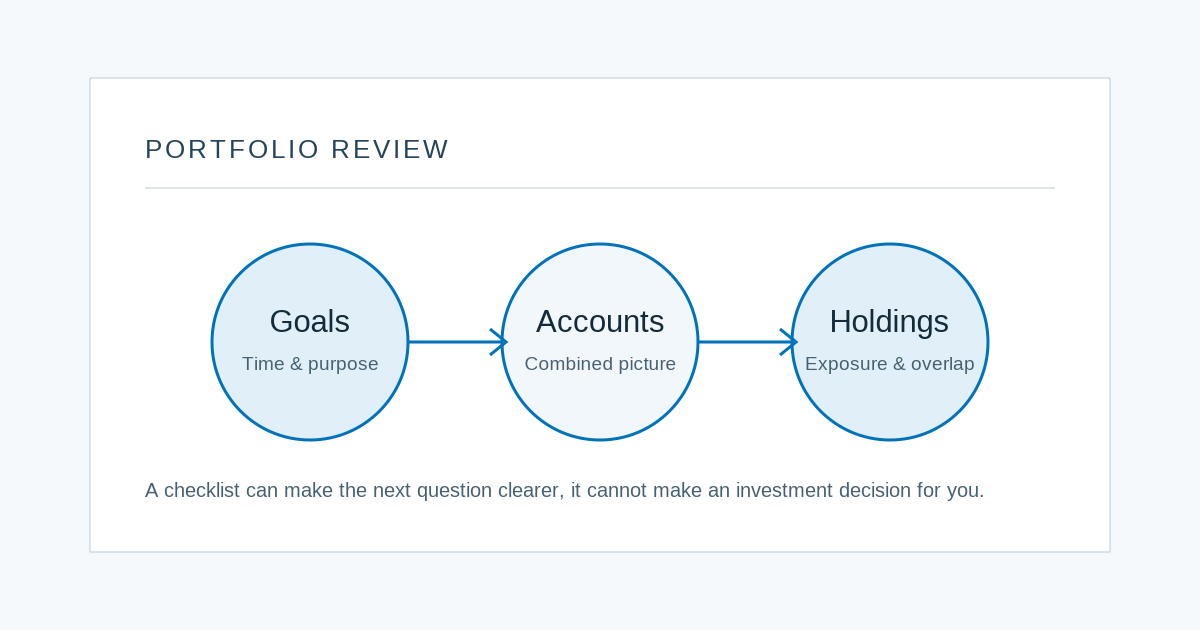
Start by looking across relevant accounts rather than treating each account in isolation. Similar funds can overlap. A large employer holding can create a different concentration question. A tax-deferred account and a taxable account may have different consequences when money is withdrawn. Our investment diversification review guide explains how to look through the labels to the holdings and roles underneath them.
Do not make a sale simply because a checklist identifies overlap or because the market has been volatile. A change can involve taxes, restrictions, costs, and a shift in the plan’s risk profile. First identify what the holding is meant to do, how it connects to the broader plan, and which professional should help answer each part of the question.

Include taxes, benefits, and account rules in the same conversation
The investment decision is only one part of a retirement-income decision. A withdrawal from a taxable account can have different implications from a withdrawal from an IRA, an inherited account, or an employer plan. A Social Security claim, pension election, Roth conversion, charitable gift, or sale of a concentrated position may affect several parts of the household’s finances at once. These choices deserve coordinated review rather than a one-dimensional answer.
Gather recent statements, your most recent tax return, benefit estimates, pension materials, and any known deadlines. Write down which questions belong with an Investment Advisor Representative, a tax professional, an attorney, a plan administrator, or a government agency. A good planning process does not pretend one person should answer every question. It makes sure that the questions are visible before a decision creates an unintended tradeoff.
If Social Security is part of the plan, our Social Security benefits article explains why your claiming age, work plans, taxes, and family circumstances should be considered together. Benefit eligibility and personalized estimates should always be confirmed directly with the Social Security Administration.
Avoid shortcuts that promise certainty
A retirement transition can make simple answers especially appealing. A headline may suggest that one withdrawal percentage, product, or allocation solves every sequence-risk concern. Those ideas can be useful prompts for discussion, but they cannot substitute for a plan built around the household’s actual income sources, spending, account types, tax situation, health considerations, and goals. A number that works in a hypothetical example may not describe the tradeoffs in your circumstances.
Be careful with claims that an investment strategy can make retirement income predictable or eliminate market risk. Every approach has constraints. Holding more cash can change the amount exposed to market fluctuations, but cash can lose purchasing power over time. Fixed-income investments can provide different characteristics from stocks, but they still involve credit, interest-rate, inflation, and liquidity risks. Selling less after a decline may preserve investments, but it may require spending flexibility or another source of funds. The point is to make the tradeoffs visible, not to hide them behind a label.
A better conversation asks what the household would want to protect first. Is it essential spending, a planned family commitment, the ability to remain in a home, flexibility to travel, a legacy goal, or the option to leave work on a certain timetable? Priorities can help distinguish a necessary decision from an optional one. That distinction makes it easier to discuss risk without treating the market value of an account as the only measure that matters.
It also helps to keep separate questions separate. A concern about a market decline is not automatically a tax question. A Social Security estimate is not an investment recommendation. A pension election is not just a cash-flow calculation. When a decision touches more than one area, identify the professional or institution that needs to be part of the answer. This coordinated approach can reduce the temptation to make a large change based on a single chart, a recent return, or a rule meant for someone else.
- Stability
- What short-term needs would you prefer not to fund from a declining account?
- Growth
- Which resources may need time to support later-life spending?
- Control
- Which decisions can be reviewed, delayed, or coordinated before acting?
Use a regular review rhythm instead of reacting to headlines
A retirement-income plan should be revisited when the facts change, not only when markets are uncomfortable. A new health expense, a change in work plans, a benefit decision, a family responsibility, or a significant account event can all affect the income picture. A regular review gives the household a chance to compare assumptions with actual spending and income before a small gap becomes an urgent decision.
Keep a short written record of what the plan assumes: expected retirement date, core spending, known income sources, large anticipated costs, account restrictions, and the questions still awaiting an answer. Update the record when information changes. This is not a substitute for advice, but it gives each conversation a clear starting point and helps prevent decisions from being made from memory alone.
Shrier Associates’ planning approach is built around understanding the household before making investment decisions. That can be especially valuable near retirement, when the timing of a withdrawal, a benefit, or a change in spending may matter as much as an account’s long-term average return.
Questions to bring to a retirement-income review
A useful conversation does not begin with a request for a guaranteed return or a universal withdrawal rate. It begins with the facts that shape the household’s decisions. Bring a list of expected expenses, current account statements, benefit information, known large costs, and the dates when important choices may need to be made. If you share finances, include both people’s information and priorities.
Ask what would happen if markets were weaker early in retirement, if a benefit begins later than expected, if a large cost arrives, or if the plan needs to support a longer period than assumed. Ask which resources are intended for near-term spending, which are intended for longer-term growth, and what tradeoffs a change could create. These are planning questions, not instructions to buy, sell, or hold a particular investment.
Shrier Associates’ investment philosophy addresses why the path of returns and the effect of withdrawals deserve attention alongside long-term goals. That RiskFirst® perspective is especially relevant when a retirement plan needs both a disciplined investment approach and a realistic view of the income it may need to support.
- Records
- Account statements, tax documents, benefit estimates, and deadlines.
- Priorities
- The spending needs and life goals the plan must support.
- Questions
- The tradeoffs you need explained before acting.
How Shrier Associates can help
Sequence of returns risk is not solved by one product, one allocation, or one rule. It is a reason to bring income timing, spending needs, investment risk, taxes, and life priorities into the same planning conversation. Shrier Associates helps individuals, families, and business owners connect those questions through retirement planning and portfolio management that consider the broader financial picture.
A productive first step is to bring the information you have and name the areas that feel uncertain. The team can help organize the discussion, identify questions for the appropriate professionals, and put investment decisions in the context of the life they are intended to support. You can contact Shrier Associates to begin a conversation.
This article is for general education only. It is not individualized investment, tax, legal, or retirement advice, and it is not a recommendation to buy, sell, or hold any investment. Investments involve risk, including possible loss of principal. Past performance does not guarantee future results.
Frequently Asked Questions
What is sequence of returns risk?
Sequence of returns risk is the possibility that poor investment returns early in a withdrawal period can have a larger effect on a retirement portfolio than similar losses later. Withdrawals from a reduced balance can leave fewer assets available for a later recovery.
Does sequence of returns risk matter before retirement?
It can matter less while you are still adding money and do not need to draw from investments for spending. It becomes more important as work income ends and portfolio withdrawals need to help cover regular expenses or large planned costs.
Does diversification eliminate sequence of returns risk?
No. Diversification may help manage concentration risk, but it does not prevent market losses or determine how spending will be funded during a decline. A retirement-income plan also needs to consider liquidity, income sources, account rules, taxes, and flexibility.
Should I move all my investments to cash before retirement?
Not automatically. Cash, fixed income, and stocks each have different roles and risks, including inflation risk, interest-rate risk, and the risk of missing needed long-term growth. The appropriate mix depends on your goals, income needs, time horizon, resources, and ability to adapt.
What should I bring to a retirement-income conversation?
Bring recent account statements, a spending summary, benefit estimates, pension information if relevant, a recent tax return, known deadlines, and a list of questions. This information helps connect the investment discussion to your actual income needs and priorities.