Retirement planning often raises a simple-sounding question: should money be in fixed income or common stock? The useful answer is rarely an either-or choice. These investments can serve different purposes, and the right conversation starts with the life the money may need to support, the timing of that need, and how much uncertainty the household can reasonably carry.
Common stock represents ownership in a company. Fixed-income investments generally involve lending money to an issuer in exchange for payments under stated terms. Their potential rewards and risks are different. The SEC’s investor education on stocks explains both their long-term growth potential and the reality that prices can fall. Its bond guidance notes that bonds also carry risks, including the possibility that an issuer cannot make promised payments.
This guide is general education, not a recommendation to buy, sell, or hold any investment. It can help you prepare better questions before a planning conversation, especially when retirement income, account withdrawals, taxes, and investment risk need to be considered together.
Start with the job the money needs to do
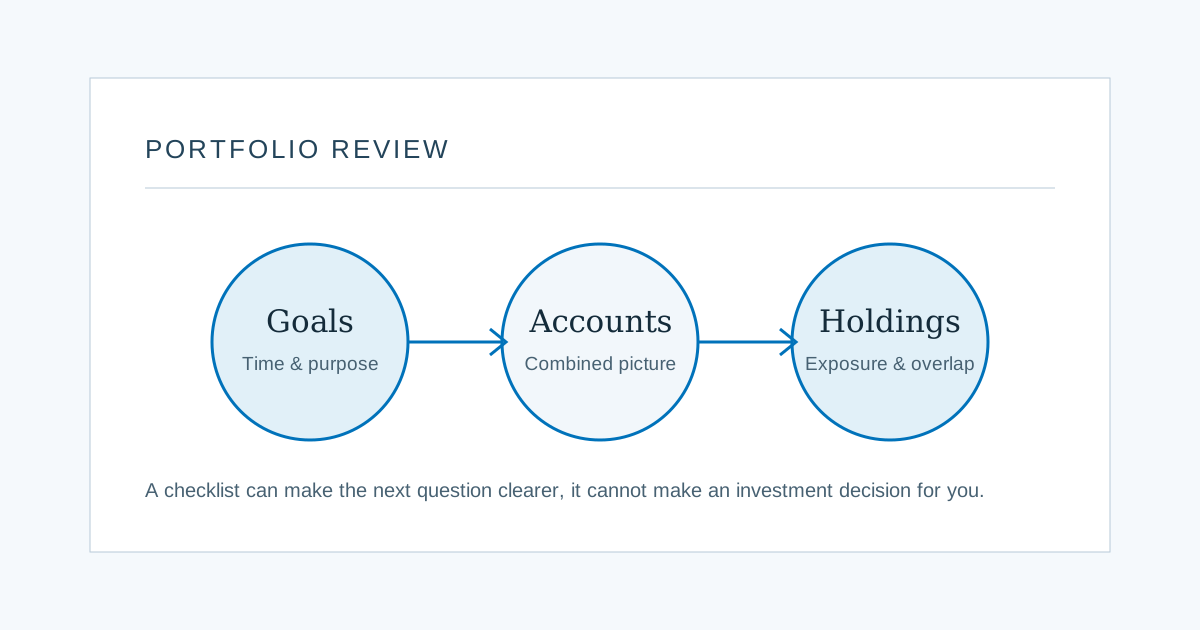
A portfolio is easier to discuss when each part has a purpose. Some money may need to support near-term living expenses. Some may be intended for a goal years away. Some may be a reserve for a cost that is possible but not certain. Those needs do not all have the same time horizon, so they do not automatically call for the same kind of investment exposure.
Start by writing down what you expect the resources to support and when. Include regular spending, major planned purchases, potential healthcare costs, gifts or family support, and the years in which each might matter. Keep known information separate from estimates. A clear list does more for a retirement planning discussion than a vague goal of being “conservative” or “aggressive.”
The Investor Preparedness Checklist encourages investors to identify goals, understand risk tolerance, consider fees, and maintain diversification. Those themes are especially helpful in retirement, when an investment decision may affect both today’s spending and tomorrow’s flexibility.

What common stock can contribute
When you own common stock, you own an equity interest in a company. A company may pay dividends, but dividends are not guaranteed. Stock prices can also change sharply, including during periods when a household may prefer not to sell. That is why it helps to distinguish between the potential role of stocks in a long-term plan and the idea that a stock allocation is a promise of future growth.
For money that may not be needed for many years, an investor may be willing and able to accept more price movement in pursuit of long-term growth potential. But that willingness is only one part of the picture. The household also needs the financial ability to withstand a decline without disrupting essential spending or making a decision under pressure.
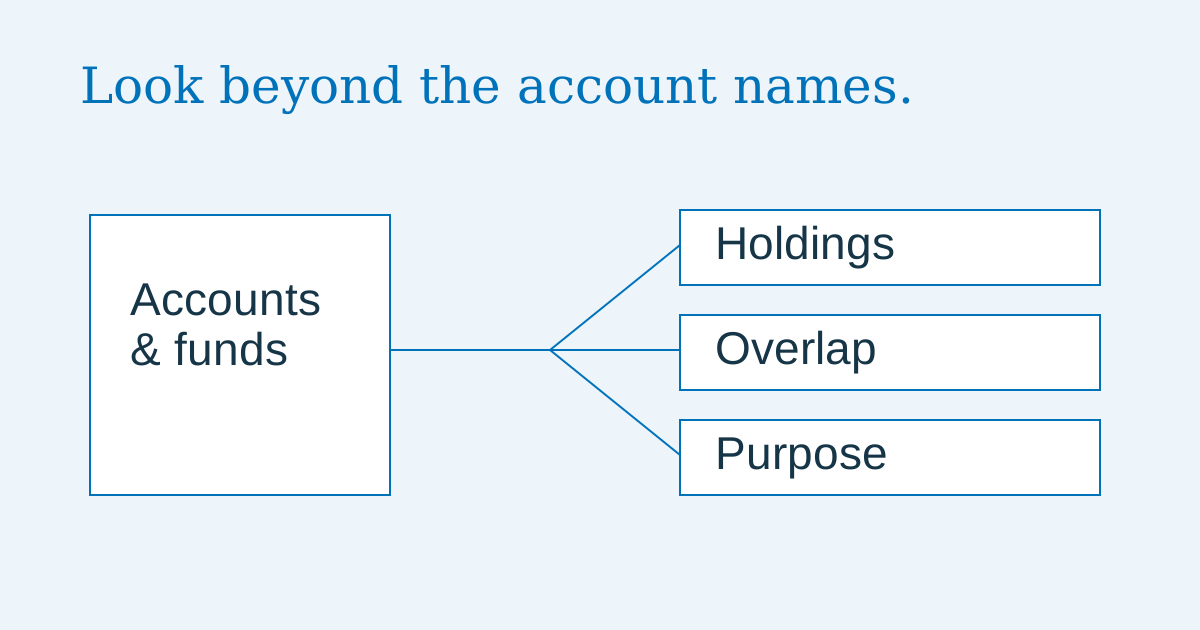
Stocks are not one uniform experience. Owning a single company is different from owning a diversified fund, and funds can still overlap in their largest holdings, sectors, or regions. Our investment diversification review guide can help you look through account labels and identify what the combined portfolio actually owns. Diversification cannot prevent loss, but it can help a household understand whether one company, sector, or type of investment has become too influential.
- Time horizon
- When might this money need to be used?
- Capacity for loss
- Could a market decline change an essential decision?
- Diversification
- What companies, sectors, and regions are underneath the fund names?
What fixed income can contribute
Fixed income is a broad description, not a guarantee. It can include government, municipal, corporate, or other debt obligations, each with its own features. A bond investor is generally lending to an issuer rather than owning an equity interest in the issuer. Depending on the investment, payments may be fixed or variable, and the value of a bond or bond fund can still change before maturity.
A fixed-income allocation may be discussed in relation to income needs, planned withdrawals, or the desire to reduce the impact of equity-market volatility on a particular part of the plan. But it brings its own questions: credit quality, maturity, interest-rate sensitivity, liquidity, fund expenses, and whether the investment can be sold at a value different from what was paid. A higher stated yield can reflect a higher level of risk rather than a free improvement.
It is also important not to treat a bond fund, an individual bond, cash, and a certificate of deposit as interchangeable simply because each may appear less volatile than a stock. Their terms, protections, tax treatment, access to money, and market behavior can differ. Review the current documents and account rules before deciding what role any holding should play.

Avoid treating the decision as a single switch
The question is not simply whether stocks or fixed income are better. It is how the combined mix relates to the household’s goals, income sources, timeline, and ability to absorb uncertainty. A person with a long horizon may need some growth exposure, while a person approaching a withdrawal need may value having a different portion of the plan prepared for a nearer-term use. Neither statement assigns a universal percentage or investment selection.
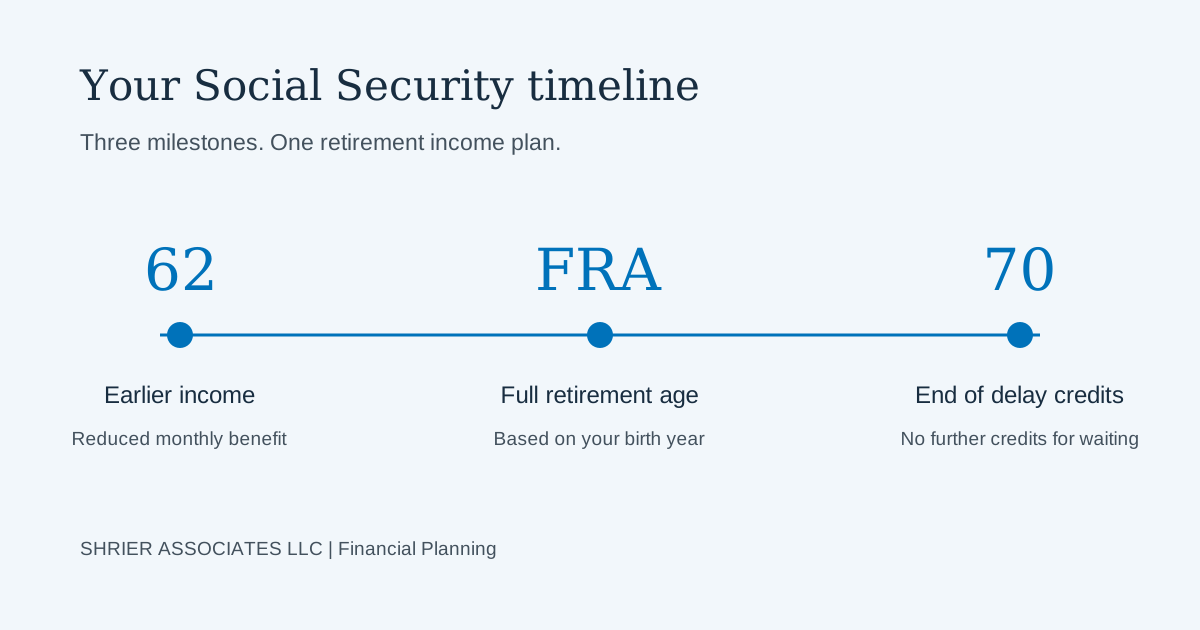
Timing matters beyond an expected retirement date. A plan may include Social Security or pension income that begins later, a part-time work transition, a required distribution, a debt payoff, or a decision about when to claim benefits. Mapping those dates can reveal where a short-term need and a long-term goal have been blended together. Our retirement planning checklist provides a practical way to organize income sources, spending, healthcare questions, and account information in one conversation.
Costs and taxes belong in the same discussion. Selling an investment in a taxable account may create a tax question. Making a change inside an employer plan may involve a limited menu of options. A holding that appears straightforward in one account can have a different role or consequence in another. Bring the relevant statements and questions to your tax professional, plan administrator, and Investment Advisor Representative before acting.
- Purpose
- Which goal or expense is this part of the plan meant to support?
- Timing
- When could the money be needed, and what income may arrive first?
- Tradeoffs
- What risks, costs, taxes, and restrictions would a change involve?
Prepare for a focused retirement planning conversation
Bring current statements for the accounts involved, a spending summary, expected income information, and a list of questions. It can also help to note where you feel uncertain: the amount of market movement you can tolerate, the timing of a future withdrawal, an account restriction, or the role of a concentrated holding. Those details turn a broad product comparison into a planning discussion grounded in your actual circumstances.
Shrier Associates considers financial planning and investment management in the context of the life a portfolio is meant to support. You can learn more about our retirement planning and portfolio management services, or begin a conversation with the team. Investment decisions involve risk, including possible loss of principal. Tax and legal questions should be reviewed with your own qualified professionals.
Frequently Asked Questions
Is fixed income safer than common stock?
Fixed-income investments and common stocks have different risks. Bonds and bond funds can be affected by credit conditions, interest rates, liquidity, and changes in market value. Stocks can fluctuate substantially and may lose value. The right question is how the risks of each investment fit the purpose, timing, and flexibility of your own plan.
Should retirees avoid common stock?
Not automatically. Retirement can last many years, and some resources may have a long time horizon. The appropriate mix depends on the household’s income needs, other resources, ability to absorb losses, time horizon, and preferences. A retirement date alone does not determine one correct allocation.
Can a bond fund lose money?
Yes. A bond fund’s value can change with interest rates, credit conditions, the bonds it owns, fees, and other market factors. An individual bond and a bond fund also have different structures and considerations. Review the investment’s current documents and how it fits your plan before acting.
What should I ask before changing my retirement investments?
Ask what purpose the money serves, when it may be needed, how a change could affect taxes and costs, whether account restrictions apply, and what risks would remain after the change. Bring current statements and any benefit or income information to the conversation so the decision is considered in context.